Blog · Remote Hiring 2026
Top Remote Hiring Trends to Watch in 2026
Concise, evidence-backed trends that help hiring managers prioritize roles, tooling and processes for the coming year.

Prateek Sahni
Published: 10 December 2025 · 6 min read
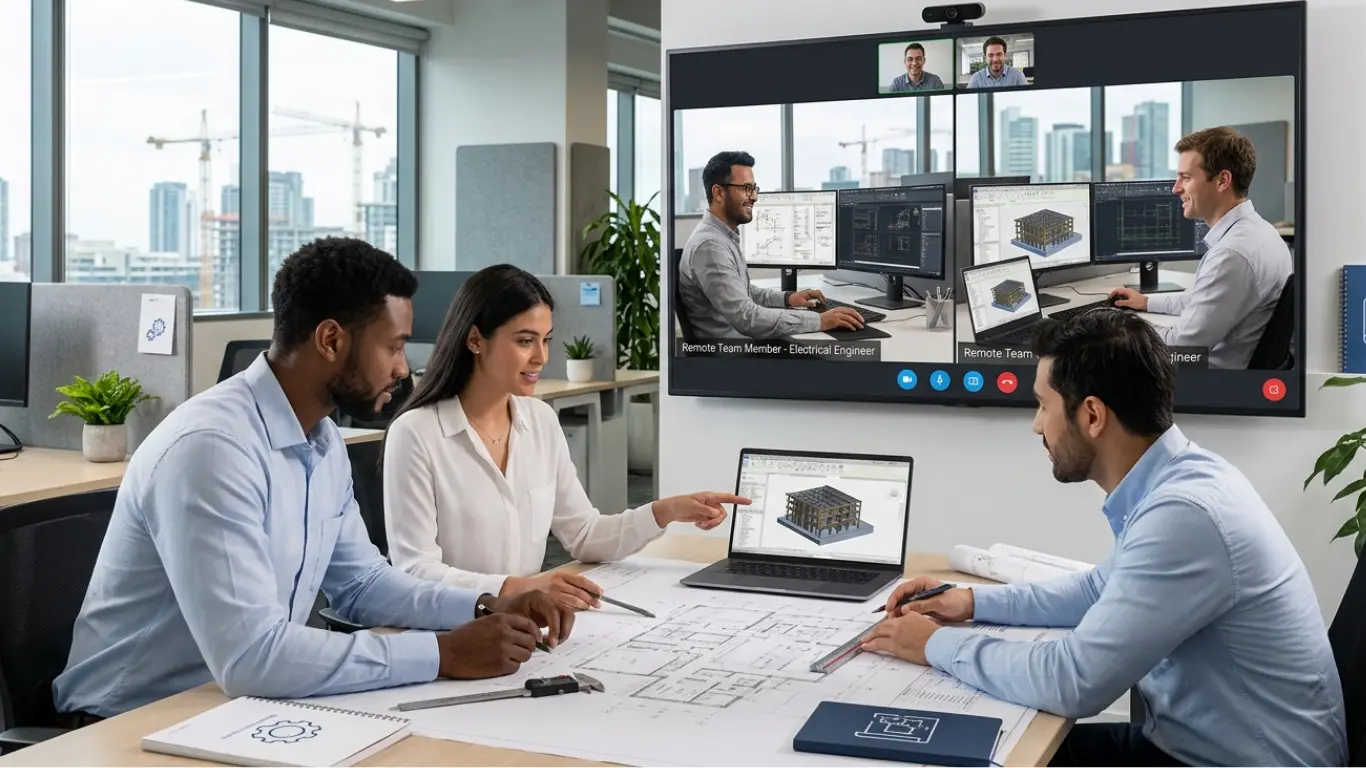
Remote and hybrid work have settled into a durable equilibrium. Recent U.S. data shows telework rates holding between roughly 18% and 24% since late 2022, and nearly 80% of employees in remote-capable roles are working either hybrid (around 52%) or fully remote (around 26%) as of early 2025; data source. At the same time, recent 2025 surveys suggest that about 85% of workers now consider remote options more important than salary when they evaluate a job, underscoring how central flexibility has become in career decisions.
Taken together, these remote hiring trends for 2026 suggest the year ahead will be about optimization, not reversal. Leaders will refine how they source, structure and support talent rather than trying to "go back" to old models.
TL;DR: 5 remote hiring trends you can act on now
- Make AI assistive, not automatic, across sourcing and screening.
- Hire for range: prioritize adaptable "star all-rounders" who span functions.
- Speed up onboarding and track early retention signals to reduce churn risk.
- Standardize a lean toolkit for async work, measurement and automation.
- Price roles smarter with compliance and geo-cost models to win offers that stick.
Trend 1: AI-assisted candidate sourcing and screening (what changes)
AI will move from "search" to "decision support" in 2026. Teams will combine structured profiles, skills taxonomies and portfolio signals to surface shortlists in minutes, then use human-in-the-loop reviews for bias checks and fit. Expect higher recruiter throughput and tighter funnels, especially when pairing AI with clear selection rubrics and work-sample tasks.
Two realities to plan around. First, hybrid and remote remain widespread, so talent pools stay broad. Second, leadership pressure for more in-office time has not eliminated flexibility. Recent data shows that in early 2025, around 52% of employees worked hybrid and 26% fully remote; in-office mandates are rising but far from universal.
Action: Pilot AI for requisition intake, skills extraction and shortlist scoring. Keep final selection, references and case reviews human.
Trend 2: Role consolidation and multi-skilled hires (Star All-Rounder demand)
Budget discipline and leaner headcounts are pushing teams to bundle adjacent responsibilities. The "star all-rounder" can ship across functions, automate repeatable tasks and collaborate asynchronously.
This is not about overloading roles. It is about hiring adaptable problem-solvers who understand systems, not only tasks.
Recent survey results show that roughly 69% of workers have changed or seriously considered changing career fields in the past year, with more remote work and better work–life balance among the top motivations. That mobility accelerates demand for multi-skilled hires who can move between functions as needs shift.
Action: Rewrite job descriptions around outcomes, cross-functional interfaces, and tool fluency. Evaluate scenario-based work samples that test breadth and judgement.
Trend 3: Focus on onboarding velocity and retention signals
Retention hinges on the first 90 days.
Companies that quantify onboarding time-to-productivity and monitor early risk markers reduce avoidable churn. Remote work research continues to show productivity can remain stable or increase, and commute time converted to work adds measurable output, when onboarding is structured and blockers are resolved quickly. Source: Vena Solutions
Action: Track time to first shipped task, first cross-team collaboration and tool adoption. Pair new hires with a buddy, publish a week-by-week plan and review leading indicators at day 14, 30 and 60.
Trend 4: Toolkits that matter (time-tracking, async comms, low-code automations)
In 2026, the winning stack is small, interoperable and auditable.
Time intelligence clarifies capacity planning without micromanagement. Async communication reduces meeting load and increases written clarity. Low-code automation and a specialized staffing solutions partner stitch the hiring process together, from candidate pre-screens to offers and onboarding; freeing managers to focus on higher-value work.
Leaders are also investing in cyber resilience as distributed work expands. Surveys show many organizations have experienced successful phishing attempts against remote workers, and only a minority feel confident across all vulnerabilities. Security-first configuration and access hygiene should be part of every toolkit decision.View the full report here.
Action: Standardize one async hub, one knowledge base and a shortlist of automations that remove handoffs. Include basic security controls, phishing training and least-privilege access.
Trend 5: Compliance and geo-cost modelling for smarter offers
Offer strategy now depends on three lenses: skills scarcity, geo-adjusted pay and compliance.
Some employers are tightening in-office requirements, yet flexibility remains a decisive candidate preference. Recent findings show that about 76% of workers would look for a new job if remote work were eliminated, and roughly 69% would accept a pay cut to keep remote or flexible options. Losing talent to rigid policies is often costlier than optimizing distributed work.
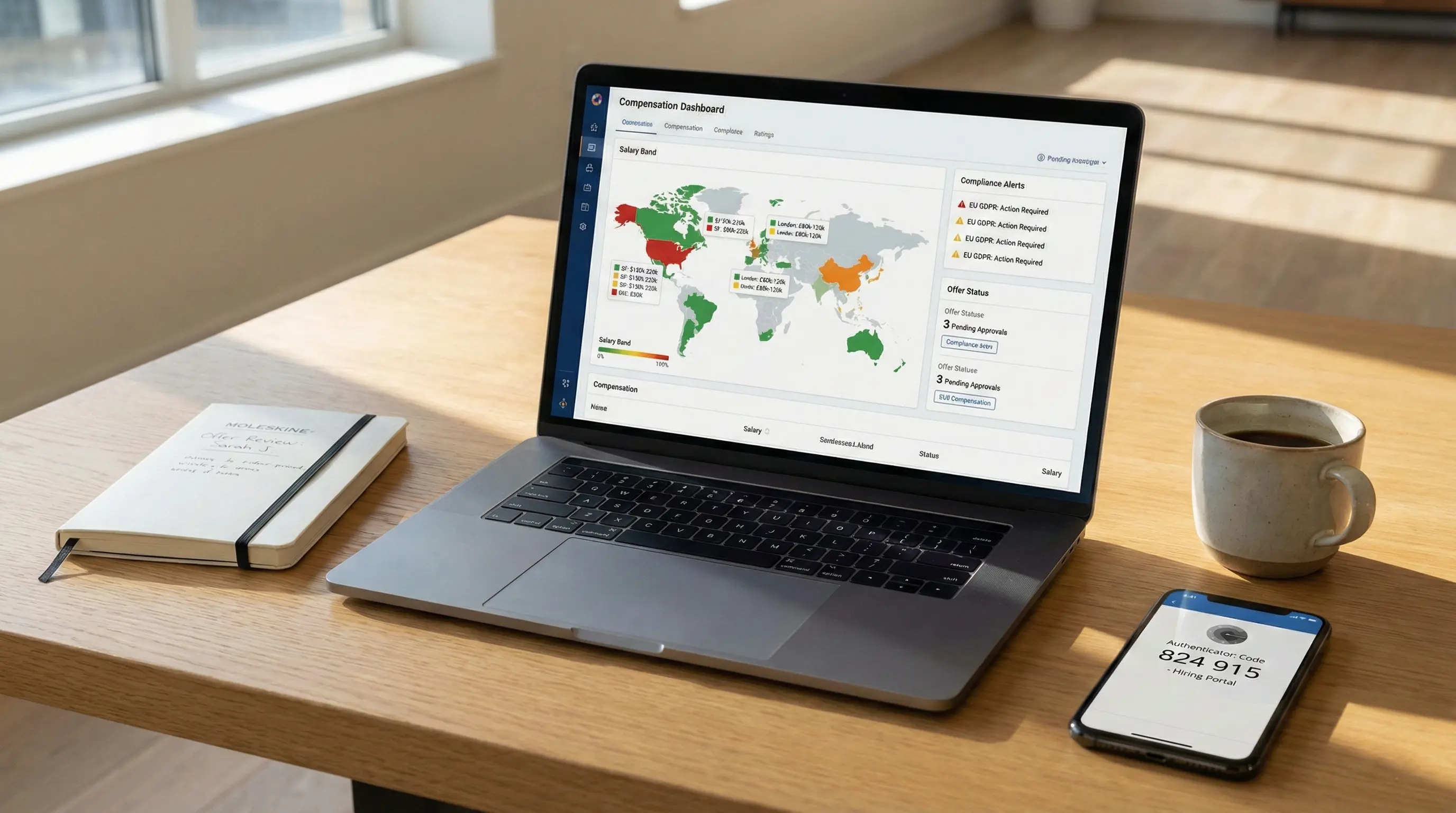
Use geo-cost models to stay competitive while protecting margins. Where local rules apply, include statutory reimbursements and remote-work expenses in your total rewards.
Vena's analysis suggests that only around 30% of companies plan to completely remove remote work by 2026, even as some leaders push for more office time.
Action: Build a compensation grid that blends market medians, role criticality and location tiers. Automate compliance checks and expense policies in the offer workflow.
FAQs: Remote Hiring Trends 2026
What are the top remote hiring trends for 2026?
The main trends are AI-assisted sourcing and screening, demand for multi-skilled "star all-rounders", faster onboarding with clear retention metrics, lean async-friendly toolkits with security built in, and geo-smart, compliant offer models that balance flexibility and margin.
How will AI change remote candidate sourcing in 2026?
AI will extract skills from CVs, score matches, and generate shortlists automatically, especially for remote-capable roles. Recruiters will then focus on structured interviews, work samples, and culture fits. The result is faster throughput, better-qualified pipelines, and more consistent hiring decisions.
Which roles should businesses prioritize hiring in 2026?
Prioritize outcome-driven generalists who can automate routine work, collaborate asynchronously and span adjacent functions. Pair them with specialists in cybersecurity, data and AI tooling who can secure your stack and turn data into decisions across remote and hybrid teams.
What these trends mean for your 2026 hiring strategy
Treat these trends as a roadmap, not a prediction.
Start with one or two focused moves: a pilot for AI-assisted sourcing, a redesigned "star all-rounder" role, or a tighter 90-day onboarding program with clear metrics.
From there, standardize your remote toolkit and update offer models for geo-cost and compliance. Teams that act on these signals early will find it easier to attract, ramp and retain talent while others are still debating return-to-office policies.
Learn more about remote hiring services
You are welcome to book a call and plan your 2026 hiring strategy
Source: Vena Solutions, 53+ Remote Work Statistics and Trends for 2026 (for telework rates, hybrid vs remote adoption, productivity and security findings).